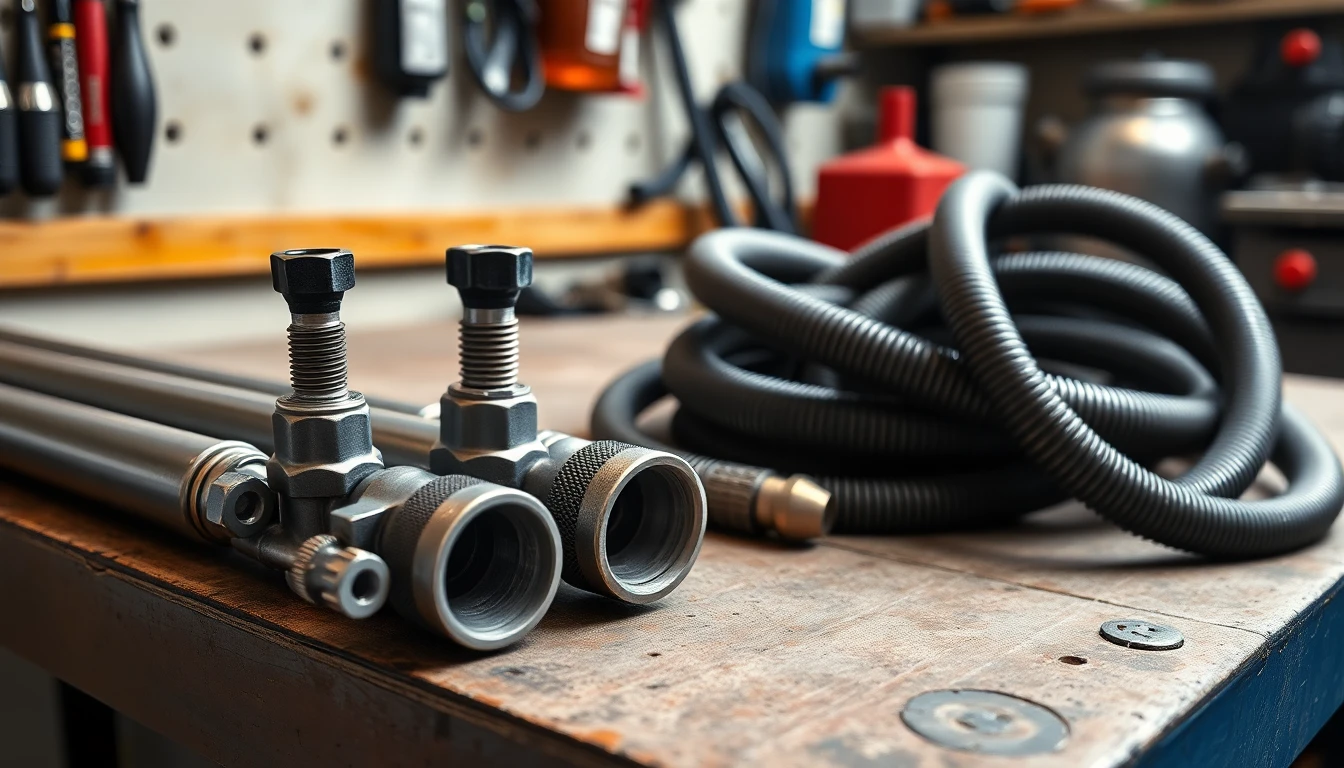
Two tools dominate drain clearing: traditional rods and high-pressure water jetting. Rods have been around for well over a century. Jetting, meanwhile, is now the standard professional method. The two aren't interchangeable, and picking the wrong one for the job wastes time or risks damage.
How drain rods work
Rods are flexible sections that screw together end to end. Different attachments push through or break up a blockage. The operator feeds them in, rotating and pushing to dislodge whatever's causing the problem.
**Where rods make sense:** they work well for simple, accessible blockages you can see from the access point. They're a useful stopgap when professional help isn't available, since they're cheap and need no power source.
**Where rods fall short:** their reach only stretches to roughly 15 metres. They can also push debris further down the pipe instead of removing it. An inexperienced hand can also crack older pipework. Because they don't clean the pipe walls, the same blockage often recurs.
How high-pressure jetting works
The operator feeds a flexible hose with a specialist nozzle into the pipe. Water then flows through it at high pressure. Jets point forward to cut through the blockage. Others point backward, pulling the hose through while flushing debris toward the access point.
**Where jetting wins:** it removes blockages completely, instead of just pushing past them. At the same time, it cleans grease and scale off the pipe walls. It also reaches well over 100 metres if needed. Used correctly on modern pipework, it doesn't risk damage the way inexperienced rodding can.
**The trade-off:** it needs professional equipment and a proper water supply, and it costs more than basic rodding. It also isn't the right call on pipework that's already cracked or structurally compromised.
A rough guide to which one you need
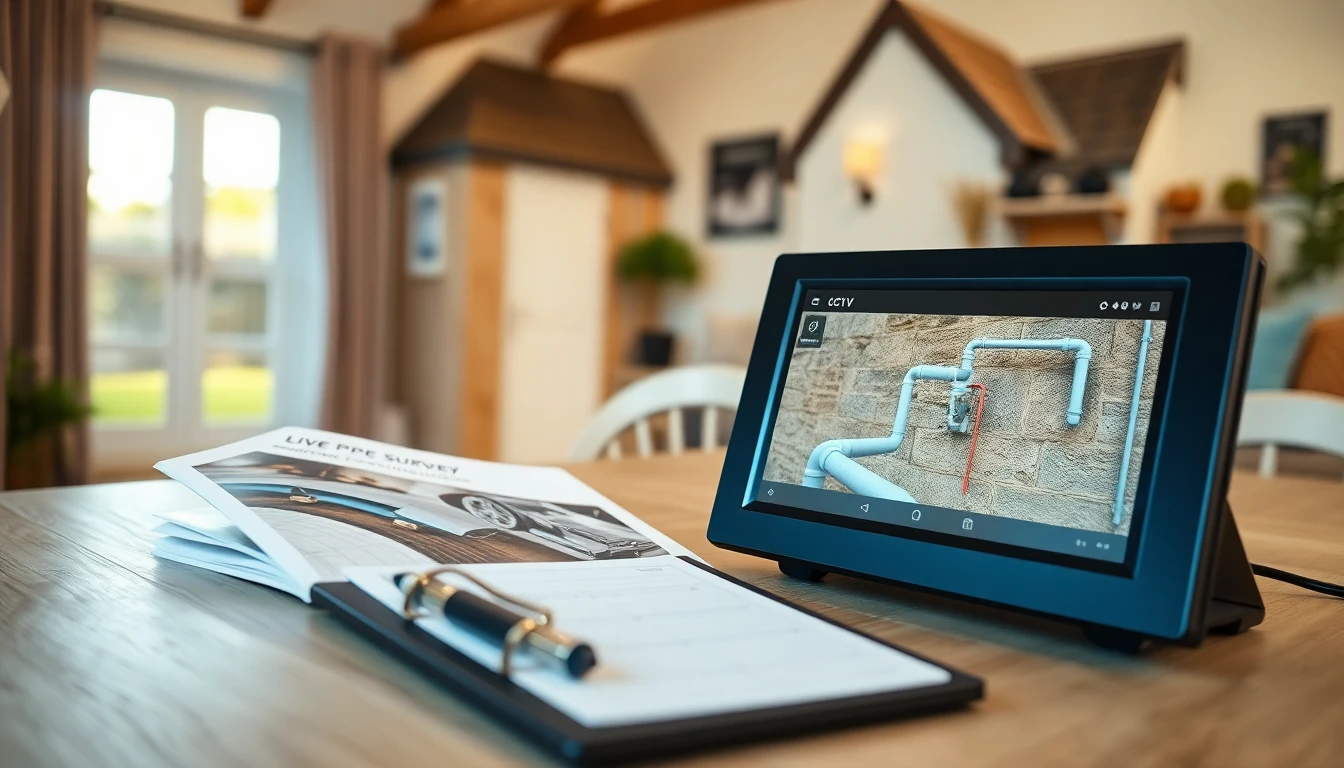
Rods suit a genuinely minor, visible blockage, or work as an interim fix. Anything stubborn or recurring is a jetting job. That includes blockages caused by grease or tree roots, or ones affecting a commercial kitchen. If a blockage keeps coming back despite jetting, that's usually a sign of a structural problem. In that case, it's worth investigating with a CCTV drain survey rather than repeating the same clear-out indefinitely.
Why we use jetting as standard
Jetting clears what rods can't, and it works faster. Because it cleans rather than just clears, the resulting pipe is less likely to block again soon. The water flow itself often reveals other issues worth flagging while your engineer is there. Our usual approach follows five steps:
- Assess the access points
- Use CCTV first if the cause isn't obvious
- Select the right nozzle for the job
- Clear the blockage
- Verify with another camera pass, so you can see the before and after
If DIY rodding hasn't worked, or the blockage keeps returning, drain jetting across Exeter is usually the faster, more lasting fix. Sometimes what looks like a blocked drain turns out to be a leaking or burst pipe instead. If so, our leak detection service handles that side of things too. See our guide on spotting the difference between a blocked drain and a burst pipe if you're not sure which you've got. If it turns out to be a gas appliance fault instead, that needs a Gas Safe registered engineer — see the Gas Safe Register.
Request a quote online and we'll tell you honestly which method your problem actually needs.
Areas we cover
- Drain Jetting in Exeter
- Drain Unblocking in Topsham
- Exmouth
- Emergency Drain Services in Exmouth
- CCTV Drain Surveys in Crediton
- Blocked Drains in Tiverton
- Drain Repairs in Tiverton
- Drain Jetting in Honiton
- Drain Unblocking in Sidmouth
- Dawlish
- Emergency Drain Services in Dawlish
- CCTV Drain Surveys in Newton Abbot
- Leak Detection & Repair in Exeter